Palash Biswas On Unique Identity No1.mpg

Unique Identity No2

Please send the LINK to your Addresslist and send me every update, event, development,documents and FEEDBACK . just mail to palashbiswaskl@gmail.com

Website templates

Zia clarifies his timing of declaration of independence

What Mujib Said

Jyoti basu is DEAD

Jyoti Basu: The pragmatist

Dr.B.R. Ambedkar

Memories of Another Day

Memories of Another Day
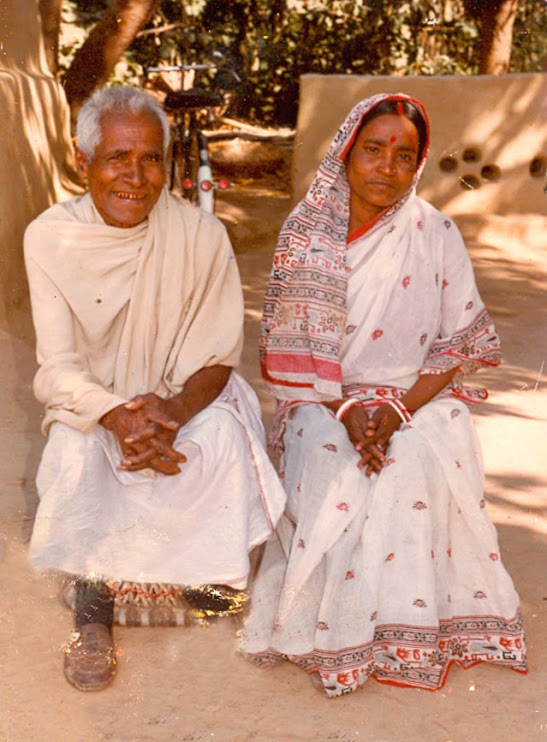
While my Parents Pulin Babu and basanti Devi were living

"The Day India Burned"--A Documentary On Partition Part-1/9

Partition

Partition of India - refugees displaced by the partition

Monday, September 3, 2012

Malnutrition in Gujarat: Your statement to the Wall Street Journal.

Rohit Prajapati, Dr. Trupti Shah, and Dr. Nandini Manjrekar 
C/o 37 Patrakar Colony, 
Tandalja Road, Post: Akota, 
Vadodara 390 020, Gujarat
Phone/Fax No: +91-265-2320399 
Email: rohit.prajapati@gmail.com, trupti.vadodara@gmail.com,nandini.manjrekar@gmail.com
______________________________________________________________________________________________________________________________
By Fax and Email
30 August 2012
To, 
Shri Narendrabhai Modi
The Chief Minister of Gujarat
Government of Gujarat
1st Block, 5th Floor, New Sachivalaya, 
Gandhinagar - 382 010.
 
Subject: Malnutrition in Gujarat: Your statement to the Wall Street Journal.

Dear Shri Modi,

In an interview to the Wall Street Journal you, the Chief Minister of Gujarat, made a statement on the issue of malnutrition in the state that "Gujarat is by and large a vegetarian state. And secondly, Gujarat is also a middle-class state. The middle-class is more beauty conscious than health conscious ­ that is a challenge. If a mother tells her daughter to have milk, they'll have a fight. She'll tell her mother, 'I won't drink milk. I'll get fat'." 

We would like to know whether this statement was based on any research study that examined whether malnutrition in Gujarat is related to lifestyle issues. We ask you to share the findings of this study with the people of Gujarat since available data portrays a grim scenario. The Human Development Report of 2011 indicates that  Gujarat is the worst among the high per-capita states in the country in fighting malnutrition, even lower than the 'less developed' states of Orissa, Uttar Pradesh, West Bengal and Assam. 44.6% of children in Gujarat below the age of 5 suffer from malnutrition, 41% are underweight, and nearly 70% are anaemic. More than half the women in Gujarat (55%) also suffer from anaemia.  

We hope that you are making such a statement based on some study done either by you or by your government or by any reputed institute or scholars. We request you to share the copy of such study because we are absolutely in disagreement with you on this issue. 

Malnutrition is directly related to issues of livelihood and well-being, which are the foremost indicators of development, which you as Chief Minister take credit for having spearheaded in the state of Gujarat. You and your government has to take responsibility for the factors that have led to these appalling statistics --  where almost half the children do not even have access to milk -- through pursuing a development model in aggressive promotion of privatisation and consequent immiseration of the poor. It is shocking that you should attribute this to the state being largely 'middle-class' and vegetarian and obsession with body image among girls. These statements are not only completely lacking in fact but also reflects an amazing callousness and trivialisation of the real issues of the people in the state you govern, especially women and girls, for whom access to livelihoods, education, healthcare and survival itself is a matter of everyday struggle. 

In the absence of any substantive data that indicates otherwise, it is morally incumbent on you as Chief Minister, to apologise to the people, and especially women and girls of the state, for the disrespect you have shown them by making these trivial statements on such a grave issue.  
 
Rohit Prajapati
[ROHIT PRAJAPATI]

Trupti Shah
[Dr. TRUPTI SHAH]

Nandini Manjrekar
[Dr. NANDINI MANJREKAR]

Chalo Delhi – Dharna in Protesting against Andhra Pradesh Government for protecting murderers of Laxmipet dalits

Chalo Delhi – Dharna in Protesting against Andhra Pradesh Government for protecting murderers of Laxmipet dalits


Rate This

Chalo Delhi – Dharna in Protesting against Andhra Pradesh Government for protecting murderers of Laxmipet dalits

6th September 2012

At 10 am

Janthar Manthar – Delhi

Demands

  1. 1.      Botsa Sathyanarayana and Kondru Murali who are responsible for killing 5 dalits in Laxmipet should be removed from the cabinet
  2. 2.      Dalits should be given pattas over the 250 acres of land which is cultivating by them
  3. 3.      A court should be started in Laxmipet village to trail the case


Solidarity committee for the Laxmipet dalits land struggle – Andhra Pradesh


--
B.Karthik Navayan,
http://karthiknavayan.wordpress.com/

कार्यस्थलों पर महिलाओं का उत्पीड़न रोकने संबंधी विधेयक को लोस की मंजूरी

कार्यस्थलों पर महिलाओं का उत्पीड़न रोकने संबंधी विधेयक को लोस की मंजूरी

Monday, 03 September 2012 16:05

नयी दिल्ली, तीन सितंबर (एजेंसी) कार्र्यस्थलों पर महिलाओं का उत्पीड़न रोकने की दिशा में महत्वपूर्ण कदम बढ़ाते हुए लोकसभा ने आज एक महत्वपूर्ण विधेयक को मंजूरी प्रदान कर दी।


सदन में कोल ब्लाक आवंटन मामले को लेकर प्रधानमंत्री मनमोहन सिंह के इस्तीफे की मांग पर अड़ी भाजपा के सदस्यों के भारी हंगामे और नारेबाजी के बीच महिला एवं बाल कल्याण मंत्री कृष्णा तीरथ ने ''महिलाओं का कार्यस्थलों पर लैंगिक उत्पीड़न से संरक्षण विधेयक 2010 '' को विचार तथा पारित किए जाने के लिए पेश किया।
हंगामे के कारण विधेयक को सदन ने बिना चर्चा के ध्वनिमत से पारित कर दिया। इस विधेयक के संबंध में तीरथ द्वारा पेश किए गए कुछ संशोधनों को भी सदन ने मंजूरी प्रदान कर दी।
विधेयक को लेकर माकपा सदस्य सुष्मिता बाउरी द्वारा पेश संशोधनों को उनकी गैर मौजूदगी के कारण सदन ने अस्वीकार कर दिया।
विधेयक के कारणों और उद्देश्यों में कार्यस्थलों पर महिलाओं के उत्पीड़न को रोकने के साथ ही कहा गया है कि महिलाओं के साथ उचित सम्मान, विनम्रता और गरिमा के साथ पेश आया जाए।
इसमें आगे कहा गया है कि भारत का संविधान धर्म , नस्ल, जाति , लिंग या जन्मस्थान के आधार पर भेदभाव को प्रतिबंधित करने के साथ ही हर नागरिक को समानता का अधिकार देता है। इसके साथ ही सभी नागरिकों को कोई भी पेशा अपनाने का भी मौलिक अधिकार प्रदान करता है।
इस अधिकार के तहत महिलाओं के लिए कार्यस्थलों पर अनुकूल और हर प्रकार से सुरक्षित माहौल उपलब्ध कराना भी शामिल है।
विधेयक के कारणों और उद्देश्यों में कहा गया है कि संगठित और असंगठित क्षेत्र में कामकाजी महिलाओं की लगातार बढ़ती संख्या के मद्देनजर महिलाओं के लिए कार्यस्थलों पर अनुकूल माहौल सुनिश्चित करने की दृष्टि से सरकार एक विधेयक की लंबे समय से जरूरत महसूस कर रही थी और इसी उद्देश्य को पूरा करने के लिए यह विधेयक लाया गया है।
विधेयक में आगे कहा गया है कि कार्यस्थलों पर उत्पीड़न के सभी मामलों में जवाबदेही नियोक्ता के साथ ही जिला मजिस्ट्रेट, अतिरिक्त जिला मजिस्ट्रेट या कलेक्टर की होगी और साथ ही इस प्रकार की शिकायतों के निपटारे के लिए एक शिकायत निवारण तंत्र भी विकसित करना होगा।

TYRANNY OF DIESEL SUBSIDY: RS. 40,000 CRORES LOSS BY OMCs


TYRANNY OF DIESEL SUBSIDY: RS. 40,000 CRORES LOSS BY OMCs

Following is an article specially written for my list by Dr. Bhamy Shenoy, an IITM alumnus. After working for Conoco from 1966 to 1986, he returned to India to fight corruption. He has been fighting energy sector corruption for the last 22 years. Bhamy has been a consultant to the governments of Turkmenistan, Kazakhstan, Uzbekistan, Ghana and Georgia, and served as a board member of the Georgian National Oil Company where he was successful in exposing corruption.

In this article, he shows how consumers of diesel are little affected if diesel prices are liberalized and how the poor will not be losers.

If rational decisions are taken by the government then it has money to fund measures to improve education, health, water, transportation etc. all of help to the common man. But by continuing to subsidize diesel it is only enriching the rich at the cost of the poor.

You may also find interesting two recent research reports on this topic released by the International Institution for Sustainable Development at http://www.iisd.org/gsi/fuel-subsidies-india 

Ram Narayanan
Subject:  TYRANNY OF DIESEL SUBSIDY: RS. 40,000 CRORES LOSS BY OMCs


Tyranny of diesel subsidy:
Rs. 40,000 crores loss by OMCs

Dr. Bhamy V. Shenoy

If politicians are given the choice of improving education, health, and water facilities to the poor or subsidizing diesel, the choice should be obvious without any controversy. Still diesel subsidy is on its way to become a sacred cow for the political class. Why? How? What should be done to eliminate this subsidy which has been one of the reasons for the unanticipated decline in India's growth rate from above 9% to around 6%.?

Environmental harm caused by diesel subsidy in terms of contributing to global warming directly and indirectly is not even mentioned. The increasing share of diesel vehicle sales is often discussed. Since diesel is relatively cheap (about Rs 25 per liter) compared to gasoline, the share of diesel vehicle sales is increasing.

When three high level committees all headed by eminent economists (C. Rangarjan, B. K. Chaturvedi and Kirit Parikh) were asked to look at the problem of petroleum subsidies during 2006-2009, only residential LPG and PDS kerosene were subsidized in a formal way to help the poor. All these committees had recommended that not only the government should get out of the business of setting product prices, LPG and kerosene prices be also liberalized,. They recommended that the poor could be supplied with subsidized products through coupon or smart card system while allowing their prices to reflect international markets.

The UPA government did not show any interest in implementing these recommendations. There has never been a deliberate policy to subsidize diesel. But the paralysis on the part of UPA to take action in liberalizing diesel pricing has resulted in ever increasing losses to oil marketing companies (OMCs). I have been predicting for some time that these navaratna OMCs will face bankruptcy unless the pricing regime is liberalized.

Currently OMCs are incurring under recoveries from diesel alone of more than Rs. 1,30,000 crores per year. Such a mind boggling amount can easily pay for expanding Sarva Sikshana Abhiyan to improve education, Integrated Child Development Services to help poor families, National Rural Health Mission to improve the operations of rural clinics etc. 2012-13 budgets for these flagships welfare measures are Rs.25,555, 15,380 and 20,822 crores respectively.

The political class is reluctant to liberalize diesel pricing. This is driven by the mistaken notion that such a policy will affect the poor. Computation of under recoveries is faulty.

One question that is always raised concerning diesel price increase is its impact on inflation. Consumers of diesel can be classified under seven categories to study this problem. These are: trucking, private cars, buses, railways, agriculture, power and industry with their respective shares being 37%, 15%, 12%, 6%, 12%, 8% and 10% respectively.

When diesel price is increased, the cost of transportation will certainly go up. This is because railways and bus companies will increase fares to recover their additional costs. So also there will be increase in the price of goods because of the cost of transporting them in trucks. Electricity cost will also go up for those who use diesel to generate power. Cost to the farmers will go up. However when we look at the total impact it is easily manageable as shown below. What is of great interest is that the poor are affected the least. This is because the poor are not part of the formal economy. They are affected more from general inflation caused by fiscal deficit than from diesel price increases.

Let us analyze how each sector is impacted by eliminating the current under recoveries of Rs. 13.89 per liter of diesel. Of course it is neither advisable nor politically feasible to eliminate the under recoveries in one go and should be done gradually. Trucking diesel accounts for 35 to 40% of their total cost and diesel increase will raise their cost by 12.8%. But its impact on final consumption is only about 0.64% since trucking cost accounts for only 5% of the total cost of the goods we consume. When we compute the increases in final consumption for other sectors, private cars, buses, railways, agriculture, power, and industry, the figures are 9.6%, 11.2%, 7.0%, 0.3%, 21%, 4%.

The impact on industry and agriculture is minimum since diesel cost accounts for just 1.1% and 0.8% only. Since it is mostly the rich farmers who use diesel pumps, they should be in a position to pay for the increased cost. In the case of trucking too the inflationary impact on goods carried will be only 0.64% since trucking cost accounts for only 5% of the final cost of the goods. Still it is the trucking sector which makes the loudest noise by threatening to strike when diesel price increases. But they not only pass the incremental cost of diesel price increase, they overcompensate because of their monopoly position.

Power sector will have the maximum impact. But it is mostly those who use diesel generator sets who will be affected by this increase. Industrial consumers have the option of running generator sets based on economics. For householders who use standby generators, the additional cost is not a big burden at all since it is only the rich who can afford diesel generator sets. The same is the case for owners of private cars who can easily absorb the increase of 9.6%.

Since total diesel cost accounts only for about 3.45% of GNP, increase of diesel price by Rs 1 per liter will have minimal impact on overall inflation of about 0.08%. This is only first order inflation impact. However as a result of passing this cost of incremental diesel prices through different stages of the value chain through the economy, it is bound to be higher but still manageable. Even if diesel price is increased by Rs 14 per liter to eliminate all under recoveries the total impact will be just 1.1%. This is just first order impact, without considering the cascading impact of diesel prices which will push the resultant inflation higher.

However as a result of diesel under recoveries (about Rs 2.4 lakhs during the last seven years) the impact on fiscal deficit is likely to be far more. The inflationary impact of such a massive deficit is likely to be more than the inflationary impact of diesel prices.

The Achilles heel of diesel liberalization is the credibility of under recoveries. With the declaration of an unprecedented loss of Rs. 40,000 crores by OMCs for the first quarter of 2012-13, critiques need to find some other explanation to support the diesel subsidy. It is true that when the government compensates OMCs for their under recoveries (government pays about 30%, upstream public sector companies pay 30 to 40% and the rest is absorbed by OMCs), these losses would come down.

Still there is a basic question. When the government pays for the losses incurred by the oil companies, who actually is the loser. All of us know that there is no such thing as a free lunch and the actual loser is the common man who has to bear the burden of higher inflation. When the government pays for under recoveries, the fiscal deficit increases resulting in higher inflation. On the other hand if OMCs are not reimbursed, they will go bankrupt and every one will suffer. Vote bank politics does not worry about such disasters as has been amply demonstrated by the recent grid failure. No one has attributed it to the power sector subsidy.

In recent months highly placed technocrats like the deputy chairman of the planning commission Montek Singh Ahluwalia, PM's economic advisor C Rangarajan, RBI's governor Subba Rao have been saying that India cannot afford the diesel subsidy. Many seminars have been held on oil sector subsidy to recommend their removal and to improve subsidy delivery system through Aadhaar, coupons, etc. But there has been no political will to liberalize petro product prices. We are always waiting for the next political events like elections to be over. It is high time that we have some out of the box type of action plans.

Despite the shocking levels of losses why have chairmen of the OMCs not threatened to resign rather than preside over a process which is sure to bankrupt their companies? Such a sacrifice can be considered as a modern corporate form of satyagraha to prick the conscience of our political system.

Along with them others in the government who deal with the petroleum sector like deputy chairman of the planning commission, petroleum minister, petroleum secretary, PM's economic advisor etc should also threaten to resign. That may create a political tsunami and help bring about the needed liberalization of diesel pricing. In the overall interest of India's development, this may be a small price to pay. It may finally start the process of eliminating the diesel subsidy.
 
 
Subject:  'PM must look into illegal thorium mining' -- Sunday Guardian

http://bharatkalyan97.blogspot.in/2012/08/monday-august-13-2012-must-look-into.html

'PM must look into illegal thorium mining'


PM must look into illegal thorium mining

Nuclear fuel thorium is being illegally extracted from deposits along Tamil Nadu and Kerala coastlines.

ANURADHA MUKHERJEE & ABHINANDAN MISHRA NEW DELHI | 8th Jul

The illegal mining of nuclear fuel resource thorium on the Tamil Nadu and Kerala coast has raised doubts about the seriousness of the Department of Atomic Energy (DAE) to prevent illegal extraction of this rare resource. DAE is the nodal agency for the development of nuclear fuel in India.

According to a letter from ACACI (Action Committee against Corruption in India), which is chaired by Janata Party chief Subramanian Swamy and other experts to Prime Minister Manmohan Singh, the illegal mining of thorium is taking place from the beaches of Manavalakurichi in Tamil Nadu and Aluva and Chavara in Kerala.
The letter recommends that the coastline be handed over to the Army since it contains the world's largest reserve of thorium, easily extractable by bare hands from sea sand. The letter also recommends to the PM that a Mines Regulatory Authority like the Telecom Regulatory Authority be set up immediately and a policy be made to exclude strategic mineral resources from privatisation.
"All sorts of private companies are operating in these areas. They say they are extracting sand. After the Indo-US nuclear deal, the government seems to have forgotten about building our indigenous thorium technologies. The future of energy depends on the commercialisation of the hydrogen fuel cells and nuclear energy," Subramanian Swamy told this newspaper.
Kieran Ball, a UK-based journalist, who has written extensively on nuclear power in India, told this newspaper that the advantages of using thorium outweigh those of traditional nuclear fuels. "India isn't using more thorium because of the fact that international uptake has been low, most likely due to the costs involved of converting plants to thorium."
Ball stressed that given India's reserves of thorium and the fact that more countries are getting rid of their uranium power plants (Japan is soon to be nuclear-free in the wake of the nuclear accident in Fukushima), India should see this as a real opportunity to become a world leader in a "new and safer form of nuclear power".
"Thorium is indeed central to any of the Bhabha plans which the government may not be very serious about right now. (Former PM Jawaharlal) Nehru was very critical of thorium being shipped off to France, etc., from the Kerala coast. The French knew about the utility of thorium back then. Later, when Department of Atomic Energy was formed after Independence, one of the first decisions was to ban the export of thorium, but this is happening covertly in the name of exporting sand from these beaches or coir ropes dipped in it," said Dr A. Gopalakrishnan, former Atomic Energy Research Bureau (AERB) chief.
Already one reactor (Kakrapar-1), which uses thorium, is working in Surat, Gujarat. Kakrapar uses thorium rather than depleted uranium to achieve power flattening across the reactor core. Experts say that thorium is a strategic mineral for the operational Kamini reactor at Kalpakkam.
The ACACI letter also highlights a criminal case for illegal mining against VV Minerals owner Vaikuntarajan in the Madurai High Court. It alleges that mining licences have been granted by government agencies for exorbitant quantities of sand complex minerals which are inconceivable within the area claimed to be under the ownership of VV Minerals. India is currently expecting to meet up to 30% of its electricity demand through thorium-based reactors by 2050.


http://bharatkalyan97.blogspot.in/2012/08/depletion-of-thorium-reserves-from.html

28.8.12

Depletion of thorium reserves from South Indian beaches, impacting India's nuclear doctrine and energy security: 13 blogposts

Executive Summary: The National Strategic Imperative
Sand containing Monazite in Kerala Sea Beach, India. Thorium found abundantly in beach sands of Kerala and Orissa Deposits of 225,000 tonne of thorium approx. BARC website http://www.barc.ernet.in/reactor/tfc_thri.html

The following blogposts are a clarion call to the nation

-- to immediately arrange to protect the thorium reserves of India

-- to stop privatised mining of nuclear fuel complexes

-- to nationalise all mined nuclear fuel containing mineral complexes (such as Rutile, Zircon, Ilmenite, Monazite, Garnet, Sillimanite and other sand forms) with immediate effect by an Ordinance

-- to bring to book the parties involved in illegal mining of the sands/mineral complexes containing nuclear fuel

Conserving and protecting thorium reserves has the potential to catapult India as the world's pre-eminent Nuclear Power. The posts include documentary evidences including full texts of International Atomic Energy Agency and other Agencies' Reports re-affirming the pre-eminent position of India with one complex alone (Manavalakurichi) accounting for 30% of the world's reserves of thorium. India's proven scientific talent in Fast Breeder Reactors using thorium as breeding fuel (to breed Plutonium with dual uses) should be an integral part of India's Nuclear Doctrine and Plans for indigenous development of India's Energy Future based on the nuclear fuel.

The response of GOI has to be two-fold: 1. Strategic declaration of thorium as national asset and consequent decisions to nationalise thorium-containing reserves and stockpiles; 2. Tighterning bureaucratic procedures to safeguard the reserves of thorium-containing mineral complexes by instituting a Joint Armed Forces Nuclear Fuel Defence Command and a Minerals Regulatory Authority on the lines of Telecom Regulatory Authority and Insurance Regulatory Authority.

Kalyanaraman


http://bharatkalyan97.blogspot.in/2012/08/black-monazite-sand-deposits-found-on.html

http://bharatkalyan97.blogspot.in/2012/08/thorium-alleged-export-of-sands-august.html

http://bharatkalyan97.blogspot.in/2012/08/key-reserve-profiles-of-placer-deposits.html

http://bharatkalyan97.blogspot.in/2012/08/valmikis-knowledge-of-oceanography-and.html

http://bharatkalyan97.blogspot.in/2012/08/mining-of-monazite-goi-response-in-lok.html

http://bharatkalyan97.blogspot.in/2012/08/indian-rare-earths-limited.html

http://bharatkalyan97.blogspot.com/2012/08/vv-mineral-achievements.html

http://bharatkalyan97.blogspot.in/2012/08/theres-nuclear-gold-in-this-sand-and.html

http://bharatkalyan97.blogspot.in/2012/08/manavalakurichi.html

http://bharatkalyan97.blogspot.in/2012/08/irregularities-in-bureaucratic.html

http://bharatkalyan97.blogspot.in/2012/08/10-point-plan-nationalise-thorium.html

http://bharatkalyan97.blogspot.in/2012/08/illegal-thorium-mining-in-india-value.html

http://bharatkalyan97.blogspot.in/2012/08/monday-august-13-2012-must-look-into.html
--
===================

Narendra Modi and Nitish Kumar: A tale of two friends


Dear brother, I am mailing an article ' Narendra Modi and Nitish Kumar: The tale of two friends', written by Premkumar Mani and  published in the September 2012 issue of 'Forward Press'. I feel that this article should reach a wider audience. If you also think so, kindly give it a place on your blog / website / Facebook page so that it can be discussed and debated by a larger number of people 
- Pramod Ranjan 

Narendra Modi and Nitish Kumar: A tale of two friends


PREMKUMAR MANI


Narendra Modi and Nitish Kumar, the chief ministers of Gujarat and Bihar respectively, have, of late, been grabbing the headlines. Not only do their names begin with the same alphabet but they are also members of the same political alliance, NDA. But now, both are at loggerheads. At least it appears so.

Very few people know that Nitish Kumar has had a sneaking admiration for Narendra Modi.  In fact, I can detect a tinge of camaraderie in their present antagonism. Psychology says that love and hatred are the two sides of the same coin.  Their friendship and enmity have got so intermingled that it is difficult to make out one from the other.

I remember an incident. It was the summer of 2004. Lok Sabha results were out and in Bihar, the UPA under the leadership of Lalu Prasad Yadav had got a decisive lead. The NDA, led by George-Nitish had been badly mauled. Nitish ji came to my place. He was free and so we talked for hours on everything under the sun. My contention was that the NDA had to bite the dust because of Narendra Modi. Nitish ji was not ready to concede my point. That I was opposed to Modi was quite palpable to him. In a somber and firm voice, Nitish ji said, "Narendra Modi is the new face of the BJP. He comes from a Most Backward Class. He is Ghanchi, a Ghanchi! It is a minority backward caste there. The BJP's Brahmin lobby is out to defame him. Even Vajpayee has joined its ranks. Modi is a dynamic man. Meet him once and you will become his admirer. He comes from a very poor family. He is extremely simple and very diligent." Nitish ji appeared to be in a state of trance. He was unstoppable. Then, fondly recalling an occasion when Modi played host to him, he concluded his monologue, "I have become his fan."

I am surprised how this fan of Modi's has turned his foe. Is this what is called politics? Is all this being done just to grab a share of the Muslim vote bank? Or, is there something more to it?

I cannot say what the truth is. At the personal level, I am not in touch with Nitish ji. And surmises are, after all, only surmises. Some say that Nitish Kumar is indirectly helping Narendra Modi by keeping the latter constantly in the news. Who would not like such a friend? Maybe there is some truth in this conjecture but, publicly, Nitish has turned their relations quite bitter. Probably, he is hoping for some big gain. But is that possible?

Narendra Modi is BJP's Prime Ministerial candidate. Nitish Kumar's eyes are also set on the same position. This clash of interests has turned friends into foes. What else can be expected in such circumstances?

As far as I remember, in June 2010, just prior to the last Bihar Vidhan Sabha elections, Nitish Kumar had hosted a banquet at his official residence for the delegates of the BJP national executive meeting. However the banquet was cancelled at the last moment quoting an advertisement as an excuse. The said advertisement was inserted by a businessman in many newspapers. It included a photograph of Narendra Modi andNitish Kumar jointly campaigning for the 2009 Lok Sabha polls. The businessman wanted to welcome Modi to Bihar with this advertisement. However, Nitish Kumar went into such a tizzy that he even threw normal courtesies to the winds. The monetary aid extended by the Gujarat government for the flood victims of Bihar was also returned. Nitish did not want his close relations with Modi to be made public. The advertiser, probably, did not comprehend that some relations---especially those of love---are best kept private. Making them public is fraught with dangers. And that is what happened. The BJP leaders had to face humiliation. They bore it without demur. They are quite used to it. They had put up with the tantrums of Mayawati in Uttar Pradesh equally without complaint. These are the compulsions of alliance politics. The BJP doesn't mind being humiliated by persons from whom it hopes to benefit. And in this instance, the BJP is dependent on Nitish and not the other way round.

In the Presidential elections of 2012, Nitish did not support the BJP's candidate. He supported the Congress nominee Pranab Mukherjee and was once again patted on the back by the media for his "secularism". The media did not care to enlighten us as to what secularism had to do with this. Was the BJP-backed Sangma communal? And if not, does the Congress have a monopoly over secularism? Judging from Nitish's recent posturing, he seems to believe that he is the flag bearer-in-chief of secularism in the country and that the nation's secular polity would collapse without him. No one even tried to bring the reality to the fore - the reality that Pranab Mukherjee was more a nominee of the Ambanis than of the Congress. An envoy of the Ambani family is an MP from Nitish's party and he controls the entire party set-up. Those who are patting  Nitish Kumar on the back should also remember that Bal Thakeray was also a member of the comity of leaders that supported Pranab Da.

I am not among those who have given a clean chit to Modi in the post-Godhra communal riots or have forgotten Advani's role in the Babri demolition. The 2002 riots in Gujarat were horrible and as chief minister, it was Modi's duty to stop the violence. I hold Modi guilty even today. But, was he alone guilty? At that time, Atal Behari Vaypayee's government was ruling at the Centre. Why did it not dismiss the Gujarat government? After all, Vajpayee had the precedent of dismissal of a string of state governments after the demolition of the Babri masjid. Just before the riots, the Bihar government was dismissed for the 'Senari massacre'. The Gujarat riots were much more serious and sinister than 'Senari massacre'. When the Bihar government could be sacked for one single massacre why couldn't the government of Gujarat be dismissed? Was Modi alone guilty of not following the 'rajdharma'?  What sort of 'rajdharma' was Vajpayee following?

And Nitish Kumar--who considers Vajpayee a messiah--which 'rajdharma' did he follow? It should not be forgotten that Nitish Kumar was the Railways minister when the Godhra train arson took place. Nitish Kumar, who had offered to resign after the Gaisal train mishap did not even care to visit the site of the Godhra tragedy. It is surprising that the same man is now sermonising to Modi and that too regarding riots.

The role of both Narendra Modi and Nitish Kumar in the Godhra train tragedy is not above reproach. Both of them and subsequently their common  political ideal, Atal Bihari Vajpayee,did not fulfill the 'rajdharma'. Both are publicity-crazy and both are self-anointed 'Vikash Purush'. As for their achievements, economic inequality had grown in both Bihar and Gujarat. In both the States, the rich have become more powerful while the poor have sunken deeper into misery.

But there are some crucial differences between Nitish Kumar and Narendra Modi. While Nitish Kumar comes from a kulak Kurmi family of Bihar, Narendra Modi hails from an extremely poor and most backward class Ghanchi family of Gujarat. Nitish's father was an Ayervedic  'Vaidyaraj' and a Congress leader while Narendra's father was a small-time tea vendor. Narendra Modi spent his childhood washing the used glasses at his father's shop when Nitish was studying Engineering, Narendra was the domestic helper in a lawyer family's home where his responsibilities included cleaning 9 rooms and preparing food for 15 members of the family. He somehow studied and acquired degrees by appearing in exams as private student. Whatever he learned, he learned in the school of hard knocks. He might be associated with rightist politics but his childhood was as full of struggle as that of the Russian writer Maxim Gorky. There is another crucial difference between Narendra and Nitish. Even as a chief minister, the former led a simple life. He maintained a safe distance from sycophants. He also avoided associating himself with tainted persons. All this is not true of Nitish Kumar. He once had a clean image but now he is embroiled in all sorts of controversies. His lifestyle has changed. According to information procured through RTI, he has spent crores of rupees from the state exchequer on his ancestral village and his official residence. He likes to be surrounded by sycophants, criminals and tainted persons. And he is just a bit behind Mayawati in erecting the statues of the members of his clan.


( Premkumar Mani is a leading Hindi writer,thinker and Political activist. Published in FORWARD Press, September,2012)


--

Pramod Ranjan
Managing Editor 
FORWARD Press      
803/92 Nehru Place
New Delhi - 110019
011-4653-8687 
http://www.forwardmagazine.in/
....................................................


--

Pramod Ranjan
Managing Editor 
FORWARD Press      
803/92 Nehru Place
New Delhi - 110019
011-4653-8687 
http://www.forwardmagazine.in/
....................................................


Fwd: Colin Todhunter: From Bollywood to Hollywood: Ripping Up the Social Fabric of India


---------- Forwarded message ----------
From: Global Research E-Newsletter <crgeditor@yahoo.com>
Date: Mon, Sep 3, 2012 at 4:32 PM
Subject: Colin Todhunter: From Bollywood to Hollywood: Ripping Up the Social Fabric of India
To: palashbiswaskl@gmail.com


Having trouble viewing this email?
Click here
http://campaign.r20.constantcontact.com/render?llr=o8b4necab&v=001qzs_PlB-J6OX6EO0AQK5Zic-VH4DrCFpIFTEymC8Q83SuOMaJPuRClppwZh9kyjaIrOdtJt8KMwjd0tY3lXn49uD3eayGv8iHEUdMovnrqPmiaUsMEE6wQ%3D%3D
print

From Bollywood to Hollywood: Ripping Up the Social Fabric of India

Apparently, we should 'take care' because we are 'worth it.' These are the feel-good catch phrases on English language TV channels in India that are being used to sell certain products. The commercials employ the same wording and that has been used in the West to sell these products for years. The actual news bulletins in India also bear a striking resemblance to the 'newsworthiness' agenda used by western channels. As in the West, the commercials and the news are becoming virtually one and the same.
Take the various Indian channels that were running wall-to-wall coverage of Bollywood star Shah Rukh Khan's Mumbai stadium scuffle with security guards and officials, until it was eclipsed by Zohal Hameed's alleged ordeal of sexual abuse in relation to Australian cricketer Luke Pomersbach. Both incidents were associated with that glorified, media-hyped, money spinning cricket fest known as the Indian Premier League (IPL), which took place a few months back.
As far as these channels are concerned, it seems that it is only the rich and affluent who really count and are 'worth it' in terms of news coverage. The alleged female victim received an extraordinary amount of media attention. She and the cricketer in question were much more newsworthy than the 50 million plus ordinary females who have been eliminated from the population as a result of foeticide, infanticide, dowry murder or just plain murder.
Women are battered, raped and subjected to all kinds of violence in India every day. But this affluent, articulate, media-savvy US-Indian woman grabbed banner headlines. Who requires real news when a sex and cricket celebrity hotel scandal will do? Each day, a mere few column inches appear in the press about a woman who has been murdered, attacked or raped. By and large, these crimes are underreported by the media.
India faces massive problems, ranging from mass poverty and female genocide to environmental degradation. You wouldn't know it if you watched these channels.
From the building sites to the farms, the scrawny bodies of the disadvantaged and exploited provide the sweated labour for today's affluent India that wallows in high rise AC penthouses and is dominated by obesity and other 'rich man's' nutrition-related diseases – living off the fat of the land, quite literally.
Making ends meet is the be all and end all for most of India's population. But for the urban elite and their TV channels, other concerns dominate. Just visit the newest shopping mall to have suddenly sprung, where the price of designer jeans or sportswear is the burning priority. The international brands have arrived, adorning the large glass frontages of the latest temple of consumerism. This is not a world of lunghis, steaming chai and steaming filth or of undernourished parents with their hungry kids.
This is the world of Lacoste, Nike and Baristo. This is the world where a cup of coffee can cost the best part of a daily wage for most in this country. This is a world of acquisitive materialism, conspicuous consumption and huge four-wheel drive vehicles. It's the 'modern India' lying next door to the other India whose inhabitants will never visit or step foot inside, unless it's to collect plastic bottles in a sack carried on back or to wipe clean its hallowed floors.
Poor, thin women worked each day till they dropped in order to help build such malls. Their babies played in the dirt nearby. They built it for privileged, well-nourished women whose servants will mind their kids as they adhere to the 'shop till you drop' dogma of modern advertising.
While most of India remains trapped by poverty and disadvantage, another part has bought into the filthy veneration of money and narcissism – a power play that is concerned with redefining who people are and what India should be about – a consumerism and a neo-liberalism that is divisive and ultimately wholly unsustainable.
But this is the world we live in. Who cares about the plight of a dalit woman who is raped and murdered? Who gives a damn about women being trafficked from Nepal and poor parts of India to work in city brothels?
These outrages are not outrages because they are a fact of everyday life. Too boring for headline status. Too unsettling for the middle class palate. Can't offend their sensibilities and have them channel hopping. Just think of all that lost ad revenue.
The white looking woman who dominated the news because of the incident with the cricketer definitely fitted the ratings bill. She was indeed 'very, very sexy' because 'dark is out' and 'white is in,' according to another Indian ad industry sound bite. The ugly world of skin whitening is supposed to make you look more beautiful and really 'cool.' This racist nonsense goes unquestioned and is quite acceptable across many sections of Indian society. It's not good enough to buy into the West's values. You must look like white people too!
When satellite TV appeared on the scene in India, concern was expressed about thousands of years of Indian culture being eroded as a result of foreign channels' output. Then came the transnationals pushing their products. In order to sell them, mindsets had to be changed. Whether it's the 'white is in' phenomenon, the hedonistic 'live life to the max' mantra or the ad industry and media's blatant sexualisation of the individual, there is an ongoing attempt to dismantle the social and cultural fabric of Indian from the top down in order to fit the needs of powerful corporate players.
Individualism has increasingly become an accepted form of reality, of how we view ourselves and evaluate those around us. If you do not stand out from the crowd (or become part of the 'cool' crowd), you are not hip. If you don't buy this product, wear that item or apply some skin colouring cream, you somehow don't cut it.
Consumerism and a notion of 'the self' in terms of individualism, rather than the communal, fits 'free market' ideology. There is now a never ending list of disposable commodities to be fetishised, individually consumed then spat out when they pass their very short sell by dates, all built on celebrity endorsements and highly 'newsworthy,' commercialized IPL-like events. A 'modern' India is in the making, even in the villages where most people still live, given the increasing access to TV in rural India over the last decade.
The question is, however, whose brave new India is this? Who is setting the criteria and ultimately benefits? A quick glimpse at the TV news and the commercials shows precisely who is calling the shots.
Are you really 'worth it?' Are you truly 'very, very sexy?' Do the product makers really like you so much that they really do want you to 'take care?' On all counts, the answer is no.
They regard you as worthless – why else would you need these products if it wasn't to make you feel a little more worthy? And they don't really 'care' about you. They just want to con you out of your cash with their temporary-feel-good, permanently-need-more products that have as much substance as the bogus science they use to hype them.
As long as consumerism's world view is fed to us and corporate 'news' organisations follow suit with sensationalist, celebrity-related infotainment formats that dovetail with the images created by the celebrity endorsed commercials and high-profile events, fewer and fewer people will recognize this controlling culture for what it is, let alone strive to challenge its hegemony.
Originally from the northwest of England, Colin Todhunter has spent many years in India. He has written extensively for the Deccan Herald (the Bangalore-based broadsheet), New Indian Express and Morning Star (Britain). His articles have also appeared in various other newspapers, journals and books and his East by Northwest website is at: http://colintodhunter.blogspot.com

Copyright © 2012 Global Research

Forward email
http://ui.constantcontact.com/sa/fwtf.jsp?llr=o8b4necab&m=1101807978350&ea=palashbiswaskl%40gmail.com&a=1110893552994


This email was sent to palashbiswaskl@gmail.com by crgeditor@yahoo.com.

Update Profile/Email Address
http://visitor.constantcontact.com/do?p=oo&mse=001Y9XAqyV8VF0P5VFIo8dIEvw1A2ipB-2PFVJrBUuy0b0%3D&t=001FskIoTQOOZYyKVrCAG6LRA%3D%3D&l=001FCSs65SMrsI%3D&llr=o8b4necab


Instant removal with SafeUnsubscribe(TM)
http://visitor.constantcontact.com/do?p=un&mse=001Y9XAqyV8VF0P5VFIo8dIEvw1A2ipB-2PFVJrBUuy0b0%3D&t=001FskIoTQOOZYyKVrCAG6LRA%3D%3D&l=001FCSs65SMrsI%3D&llr=o8b4necab


Privacy Policy:
http://ui.constantcontact.com/roving/CCPrivacyPolicy.jsp


Online Marketing by
Constant Contact(R)
www.constantcontact.com


GLOBAL RESEARCH | PO Box 55019 | 11 Notre-Dame Ouest | Montreal | QC | H2Y 4A7 | Canada


Sunday, September 2, 2012

संसद राजनीति की बंधक बनी हुई है। सौदेबाजी जोरों पर है। और पूरे आसार है कि हमेशा कि तरह यह घोटाला भी रफा दफा हो जायेगा।

संसद राजनीति की बंधक बनी हुई है। सौदेबाजी जोरों पर है। और पूरे आसार है कि हमेशा कि तरह यह घोटाला भी रफा दफा हो जायेगा।

एक्सकैलिबर स्टीवेंस विश्वास

संसद राजनीति की बंधक बनी हुई है। सौदेबाजी जोरों पर है। और पूरे आसार है कि हमेशा कि तरह यह घोटाला भी रफा दफा हो जायेगा।जैसे गार को बाजार, इंडिया इनकारपोरेशन और विदेशी निवेशकों के दबाव में कत्म कर दिया गाय और राजनीति ने चूं तक नहीं की, वैसे ही कोयला घोयाले में भी अंततः निवेशकों के हित संसदीय राजनीति पर भारी पड़ने वाले हैं।राजनीति की बात करें तो तीसरे मोर्चा के आकार लेने से पहले भाजपा ौर कांग्रेस में गुपचुप समझौता हो जाने के आसार भी प्रबल हैं।सोनिया का देश छोड़ने का मतलब तो यही निकलता है कि सरकार पर कोई खतरा है ही नहीं। भाजपा ने आज अपने रुख में थोड़ी नरमी लाते हुए कहा कि यदि सरकार कोल ब्लॉकों के लाइसेंस रद्द करके आवंटनों की एक स्वतंत्र जांच का आदेश दे तो वह कोयला घोटाले पर संसद में चर्चा कराने के लिए तैयार हो सकती है। लेकिन पार्टी ने यह स्पष्ट किया कि वह इस मुद्दे पर प्रधानमंत्री मनमोहन सिंह के त्यागपत्र की मांग नहीं छोड़ेगी।कोयला ब्लॉक आवंटन के मुद्दे पर संसद में दो सप्ताह तक कामकाज ठप रहने के बाद मॉनसून सत्र के कल से शुरू हो रहे आखिरी सप्ताह में भी गतिरोध समाप्त होने की कोई संभावना नजर नहीं आ रही। कोयला ब्लॉक आवंटन पर कैग की रिपोर्ट के मद्देनजर प्रधानमंत्री मनमोहन सिंह के इस्तीफे की मांग कर रही भाजपा अपने रुख से पीछे हटती नहीं दिखाई दे रही।भाजपा का कहना है कि वह संसद के भीतर और बाहर प्रधानमंत्री के इस्तीफे की मांग पर कायम रहेगी। विपक्षी राजग को सरकार के खिलाफ इस मुद्दे पर सपा, तेदेपा और वाम दलों के रुझान से भी थोड़ा बल मिलता दिखाई दे रहा है। दूसरी ओर केंद्रीय सतर्कता आयोग (सीवीसी) 2006 से 2009 के बीच निजी कंपनियों को कोयला खदानों के आवंटन में कथित गड़बड़ी को लेकर की जा रही सीबीआई जांच की समीक्षा करेगा।सीबीआई के निदेशक ए.पी. सिंह की केंद्रीय सतर्कता आयुक्त प्रदीप कुमार के साथ जल्दी ही बैठक हो सकती है जिसमें सिंह एजेंसी की अब तक हुई जांच के बारे में विस्तृत जानकारी देंगे।बहरहाल, बैठक की तिथि अबतक तय नहीं हुई है। सीबीआई ने मामले में दो शुरूआती जांच दर्ज की है। भाजपा नेता प्रकाश जावड़ेकर तथा हंसराज अहीर की शिकायत पर सीवीसी ने मामला जांच एजेंसी के पास भेजा है। विपक्षी दलों के दबाव के बीच कोयले पर अंतर-मंत्रालयी समूह ऐसे 58 कोयला खदानों के भविष्य के बारे में सोमवार को विचार करेगा जिनके विकास के लिए संबंधित कंपनियों ने समयानुसार कदम नहीं उठाए हैं।समूह की सिफारिश पर खदानों का आवंटन रद्द हो सकता है।

गौरतलब है कि सामान्य कर परिवर्जन रोधी नियमों (गार) लागू करने की योजना तीन साल टालने और इसके कुछ महत्वपूर्ण प्रावधानों में संशोधन के की विशेषज्ञ समिति की सिफारिश से सोमवार को शेयर बाजारों में तेजी देखने को मिल सकती है।इसे अगर अर्थ व्यवस्था के मातहत चल रही राजनीति का दिशा निर्देशक मान लिया जाये और वामदलों और सहयोगी दलों के पैंतरों को​​ लाक्षणिक, तो संसद के इसतरह बंधक हो जाने से बारतीय गणतंत्र को हासिल कुछ नहीं होने वाला और न कालाधन के खिलाफ मुहिम का कोई नतीजा निकलने वाला है। क्योंकि आखिरकार कालाधन ही राजनीति की दिशा और दशा पर हावी है। देश पर शनि का साढ़े साती का असर है,लोक मुहावरा तो यही कहता है।बाजार विश्लेषकों ने कहा कि निवेशक संसद में जारी गतिरोध को लेकर चिंतित हैं क्योंकि इस गतिरोध ने मानसून सत्र के शेष हिस्से के चलने की संभावना पर प्रश्नचिन्ह लगा दिया है। मानसून सत्र सात सितंबर को समाप्त होने वाला है।संसद में गतिरोध से अर्थिक नीतियों में सुधार की पहल की संभावनाएं भी धूमिल हो गई हैं।देश की आर्थिक वृद्धि दर चालू वित्त वर्ष 2012-13 में 6 प्रतिशत से कम रहने का अनुमान है। एक सर्वेक्षण में कहा गया है कि उद्योग जगत का भरोसा घटने की वजह से चालू वित्त वर्ष में आर्थिक वृद्धि दर 6 प्रतिशत से कम रहेगी।उद्योग मंडल सीआईआई के सर्वेक्षण के अनुसार, ज्यादातर मुख्य कार्यपालक अधिकारी (सीईओ) चालू साल के लिए अर्थव्यवस्था के परिदृश्य को लेकर आशावादी नहीं हैं। उनका मानना है कि इस साल अर्थव्यवस्था में बेहद मामूली सुधार ही देखने को मिलेगा।सर्वेक्षण में संकेत दिया गया है कि 2012-13 में सकल घरेलू उत्पाद (जीडीपी) की वृद्धि दर 6 फीसद से कम रहेगी। सीआईआई के महानिदेशक चंद्रजीत बनर्जी ने एक बयान में कहा, यह उद्योग के भरोसे के निचले स्तर को दर्शाता है। पहली तिमाही के जीडीपी आंकड़ों से पता चलता है कि अर्थव्यवस्था में सुस्ती कायम है।

बावजूद इसके सस्ताह के दौरान बाजार में उतार-चढ़ाव का सिलसिला बने रहने के आसार हैं। घरेलू मोर्चे पर राजनीतिक खींचतान के बीच अमेरिकी फेडरल रिजर्व के चैयरमेन बेन बर्नांके का व्याख्यान भी बाजार की दशा व दिशा को प्रभावित करेगा।बर्नांके ने 31 अगस्त को जेक्सन होल व्याख्यान में अमेरिका के समझ आर्थिक चुनौतियों को रेखांकित किया।

गौरतलब है कि कोयला ब्लॉक आवंटन के मुद्दे पर भारतीय जनता पार्टी (भाजपा) ने रविवार को साफ किया कि वह अभी भी प्रधानमंत्री मनमोहन सिंह के इस्तीफे पर अडिग है लेकिन यदि सरकार सभी कोयला ब्लॉक आवंटनों को रद्द कर उनकी स्वतंत्र जांच कराए तो वह संसद की कार्यवाही बाधित नहीं करेगी। सुषमा स्वराज के बाद अब आडवाणी ने भी कोल आवंटन रद्द करने की मांग की है। उन्होंने अपने ब्लॉग में पीएम के इस्तीफे का जिक्र नहीं किया है। लगातार आठ दिन तक संसद को ठप रखने वाली बीजेपी अब मनमोहन के इस्तीफे की मांग से पीछे हटती नजर आ रही है। शनिवार शाम को लोकसभा में विपक्ष की नेता सुषमा स्वराज ने सोशल नेटवर्किंग साइट ट्विटर पर इस ओर इशारा किया। सुषमा ने ट्विटर पर लिखा है कि सोनिया गांधी ने फोन कर संसद में गतिरोध खत्म करने के लिए उनसे कहा है। सुषमा ने भी शर्तों के साथ विचार का भरोसा दिया है। आडवाणी की पहली मांग कोयला आवंटन रद्द करने की है जबकि उनकी दूसरी मांग मामले की न्यायिक जांच कराने की है। आडवाणी के ब्लॉग में भी पीएम के इस्तीफे को लेकर कोई चर्चा नहीं है। पार्टी के दो वरिष्ठ नेताओं के द्वारा दिए जा रहे संकेत यही बताते हैं कि पार्टी पीएम के इस्तीफे पर नरम हो रही है। आडवाणी कोयला ब्लॉक आवंटन पर प्रधानमंत्री मनमोहन सिंह के बयान से आश्वस्त नहीं हैं। आडवाणी ने कहा कि प्रधानमंत्री ने कोयला आवंटन पर प्रधानमंत्री का बयान आवश्वस्त करने वाला नहीं है।भारतीय जनता पार्टी (भाजपा) के महासचिव व राष्ट्रीय प्रवक्ता रविशंकर प्रसाद ने रविवार को सफाई दी कि भाजपा शासित राज्यों के किसी भी मुख्यमंत्री ने कोयला ब्लॉक नीलामी का विरोध नहीं किया था। भोपाल दौरे पर आए प्रसाद ने संवाददाताओं से पार्टी कार्यालय में चर्चा करते हुए कहा कि कांग्रेस भाजपा शासित राज्यों के मुख्यमंत्रियों को बदनाम करने में लगी है। भाजपा पर जनता को गुमराह करने का आरोप मढ़ने के साथ ही लोकतंत्र की मान्य परंपराओं की दुहाई देते हुए कांग्रेस ने कहा कि देश के प्रमुख विपक्षी दल को प्रधानमंत्री के इस्तीफे की जिद छोड़कर संसद के जारी मानसून सत्र में चर्चा करानी चाहिए। कांग्रेस महासचिव दिग्विजय सिंह ने कहा कि अगर विपक्ष के हल्ला मचाने भर से प्रधानमंत्री या किसी मुख्यमंत्री को बदल दिया जाए, तो क्या इस देश में लोकतंत्र चल सकता है।

कोयला ब्लॉक आवंटन के मुद्दे पर संसद में जारी गतिरोध के मुद्दे पर अब चुप्पी साधे रखने वाले राष्ट्रीय स्वयंसेवक संघ (आरएसएस) ने कांग्रेस पर कडा प्रहार करते हुए कहा है कि देश उसकी जागीर नहीं है जो वह मनमाने तरीके से सरकारी खजाने की लूट करे और देश की जनता आंखें मूंद सब कुछ देखती रहे। दरअसल, यह बात कही है संघ के मुखपत्र पांचजण्य ने। संघ ने अब तक इस मसले पर चल रहे गतिरोध पर चुप्पी साध रखी थी। पहली बार अपने मुखपत्र के माध्यम से उसने इस मुद्दे पर कांग्रेस पर निशाना साधा है और अपनी बात रखी है।

गौरतलब है कि  टाटा, बिड़ला, आर्सेलर मित्तल जैसी कंपनियों को दिए गए लगभग चार दर्जन कोयला ब्लॉकों का आवंटन रद हो सकता है।भारतीय उद्योग परिसंघ [सीआइआइ] ने कोयला ब्लॉक आवंटन को सिरे से रद्द किए जाने के खिलाफ सरकार को आगाह किया है। सीआईआई ने कहा है कि इस तरह के कदम से व्यापारिक भावना को ठेस पहुंचेगी। सीआइआइ के अध्यक्ष आदि गोदरेज ने एक बयान में कहा है कि कानून को अपना काम करना चाहिए और जल्दबाजी में कोई कार्रवाई नहीं की जानी चाहिए।कोल ब्लॉक आवंटन को लेकर लगातार हो रहे खुलासों के बीच अब यह नई जानकारी आई है कि जब केंद्र सरकार प्राइवेट कंपनियों को दिल खोलकर ब्लॉक बांट रही थी, उस वक्त सरकारी कंपनियों को कोल ब्लॉक न देने के लिए बहाना बनाया जा रहा था। बीजेपी सांसद हंसराज अहीर का कहना है कि कोल ब्लॉक न मिलने की वजह से ही भारतीय कोल लिमिटेड कोयला खनन का अपना लक्ष्य भी पूरा नहीं कर पा रही है जबकि उसके पास इस कार्य की विशेषज्ञता है। । कोयला ब्लॉक आवंटन पर कैग की रिपोर्ट पर पैदा हुए बवंडर के बीच प्रधानमंत्री कार्यालय [पीएमओ] खनन शुरू नहीं कर पाने वाली कंपनियों को आवंटित ब्लॉक रद नहीं करने पर कोयला मंत्रालय से खफा है। पीएमओ ने 6 सितंबर तक इस मामले को निपटाने का निर्देश दिया है। सोमवार को हुई अंतर-मंत्रालयी बैठक के बाद पीएमओ ने कोयला मंत्रालय को यह संदेश दिया है।

एसोचैम ने कहा कि सरकार को कोयला ब्लाक आवंटन से जुड़े मुद्दों की जांच किसी मौजूदा या सेवानिवृत्त न्यायाधीश की निगरानी में हो। एसोचैम ने एक बयान में कहा है, 'अगर बिना नीलामी कोयला आवंटन बड़ी घटना बन गया है और अनियमितताओं के आरोप हैं तो किसी मौजूदा या सेवानिवृत्त न्यायाधीश की निगरानी में जांच कराई जाये।'

पहली तिमाही में अर्थव्यवस्था की तस्वीर बिगाडऩे में मैन्यूफैक्चरिंग और खनन क्षेत्र का खासा योगदान रहा है। महंगे कर्ज ने मैन्यूफैक्चरिंग क्षेत्र की रफ्तार को बेहद धीमा कर दिया है। वहीं कोयला खदानों के उत्पादन में कमी ने खनन क्षेत्र का प्रदर्शन बिगाड़ा है। पहली तिमाही में दोनों क्षेत्रों की विकास दर एक प्रतिशत से भी कम रही है।

अप्रैल-जून तिमाही में औद्योगिक उत्पादन का प्रदर्शन लगातार खराब रहा है। इन तीन महीने में कभी भी उद्योगों की रफ्तार ढाई प्रतिशत से अधिक नहीं रही। इस दौरान मैन्यूफैक्चरिंग क्षेत्र की वृद्धि दर बेहद कम रही। जून में तो मैन्यूफैक्चरिंग क्षेत्र के उत्पादन में 3.2 प्रतिशत की गिरावट ही रही। खनन क्षेत्र का हाल भी लगभग ऐसा ही रहा है। चालू वित्ता वर्ष की पहली तिमाही के पहले दो महीने में तो खनन क्षेत्र के उत्पादन में गिरावट ही बनी रही।

जून में इस क्षेत्र के उत्पादन में पहली बार 0.6 प्रतिशत की बढ़त दर्ज की गई। खनन क्षेत्र के इस प्रदर्शन के लिए मुख्य रूप से कोयला क्षेत्र को दोषी माना जा रहा है। इसके उत्पादन की रफ्तार बहुत धीमी रही। महंगाई की ऊंची दर की वजह से उपभोक्ता मांग लगातार कम हो रही है। इसका असर मैन्यूफैक्चरिंग क्षेत्र पर पड़ा है। महंगाई के चलते रिजर्व बैंक की मौद्रिक नीति में भी बहुत ज्यादा बदलाव नहीं आया है। उद्योग जगत लगातार ब्याज दरों में कमी की मांग कर रहा है। महंगे कर्ज से उद्योगों के लिए विस्तार के संसाधन सीमित हो गए हैं। इससे निवेश की दर भी घट रही है। पहली तिमाही में यह 33.2 प्रतिशत से घटकर 32.8 प्रतिशत रह गई है। उद्योग जगत का मानना है कि आर्थिक सुधारों में तेजी लाए बिना औद्योगिक उत्पादन के हालात सुधारना मुश्किल होगा।

केंद्रीय कोयला मंत्री श्रीप्रकाश जायसवाल ने कहा कि अंतर-मंत्रालयी समूह (आईएमजी) का गठन सभी पहलुओं की जांच के लिए किया गया है और उसकी रिपोर्ट के आधार पर खदानों का आवंटन रद्द किया जा सकता है। उन्होंने कहा कि आईएमजी 15 सितंबर तक अपनी रिपोर्ट देगा।

जायसवाल ने कानपुर में संवाददाताओं से कहा, फिलहाल कोई भी कोयला ब्लॉक आवंटन रद्द नहीं किया जा रहा है और 15 सितंबर को मंत्री समूह की रिपोर्ट आने के बाद ही कोई कार्रवाई की जाएगी।

कोयला मंत्रालय के एक अधिकारी ने कहा, सार्वजनिक एवं निजी कंपनियों को आवंटित उन 58 कोयला खदानों के भविष्य के बारे में विचार के लिए कोयला मंत्रालय में अतिरिक्त सचिव जोहरा चटर्जी की अध्यक्षता में गठित अंतर-मंत्रालयी समूह (आईएमजी) की सोमवार को बैठक होगी जिनका विकास समय से नहीं किया गया है।

उन्होंने कहा कि सरकार पहले ही 33 सरकारी तथा 25 निजी कंपनियों को लाइसेंस आवंटन रद्द करने का नोटिस जारी कर चुकी है।

इसी के मध्य भाजपा ने अपने पुराने रुख में थोड़ी नरमी दिखाई है। इससे पहले पार्टी ने प्रधानमंत्री के त्यागपत्र की मांग को लेकर अड़े रहकर मानसून सत्र के अधिकतर समय संसद की कार्यवाही नहीं चलने दी। लोकसभा में विपक्ष की नेता सुषमा स्वराज ने मुम्बई में एक संवाददाता सम्मेलन को संबोधित करते हुए कहा, 'मैंने सोनिया जी से कहा कि कोयला ब्लाकों के आवंटन रद्द होने चाहिए और एक स्वतंत्र एवं निष्पक्ष जांच के आदेश दिये जाने चाहिए। यदि आप इन दोनों मांगों पर सहमत हैं तो हम चर्चा शुरू कर सकते हैं और संसद चल सकती है।'

सुषमा की यह टिप्पणी वाम मोर्चा, समाजवादी पार्टी, तेदेपा और कुछ अन्य पार्टियों की ओर से इस बात पर जोर दिये जाने के मद्देनजर भाजपा के अलग थलग पड़ने के बीच आई है कि संसद को चलने दिया जाए और मुद्दे पर चर्चा हो। राजग के प्रमुख सहयोगी दल जदयू की भी यह इच्छा है कि संसद चले ताकि कोयला घोटाले पर सरकार का 'परदाफाश' हो सके। सुषमा ने उन अटकलों को खारिज किया कि पार्टी प्रधानमंत्री के त्यागपत्र की अपनी मांग से पीछे हट गई है। उन्होंने कहा, 'हम प्रधानमंत्री के त्यागपत्र की मांग पर पीछे नहीं हटे हैं। हम अपनी मांग पर कायम हैं कि प्रधानमंत्री मनमोहन सिंह को कोल ब्लॉक आवंटन घोटाले की नैतिक जिम्मेदारी लेते हुए त्यागपत्र दे देना चाहिए।'

भाजपा नेता ने कल ट्विटर पर लिखा था कि कांग्रेस अध्यक्ष सोनिया गांधी ने संसद में जारी गतिरोध समाप्त करने के बारे में उनसे बात की थी। उन्होंने आज कहा कि उन्हें पार्टी की मांगों को लेकर सोनिया की ओर से अभी भी कोई संकेत नहीं मिला है। सुषमा ने ट्विटर पर अपनी मांगों की सूची दी थी लेकिन प्रधानमंत्री के त्यागपत्र का उसमें कोई उल्लेख नहीं किया था। सुषमा ने कहा, 'मीडिया के एक वर्ग द्वारा (भाजपा के रुख नरम करने के बारे में) निकाला गया निष्कर्ष पूरी तरह से गलत है। भाजपा प्रधानमंत्री के त्यागपत्र की मांग को लेकर दृढ़ है। इस पर पीछे हटने का कोई प्रश्न ही नहीं उठता।'

उन्होंने कहा कि भाजपा कोयला आवंटनों के लिए प्रधानमंत्री को 'सीधे तौर पर जिम्मेदार' ठहराती है क्योंकि उस समय कोयला मंत्रालय का प्रभार उन्हीं के पास था। सुषमा ने कहा कि इस मुद्दे पर देशव्यापी आंदोलन शुरू किया जाएगा। उन्होंने कहा, 'हम संसद का सत्र 7 सितम्बर को समाप्त होने के बाद सड़कों पर उतरेंगे।'

भाजपा प्रवक्ता प्रकाश जावड़ेकर ने कहा, जहां प्रधानमंत्री के इस्तीफे की और उच्चस्तरीय जांच की मांग बनी रही वहीं अब सबकी मांग यह है कि कम से कम कोयला ब्लॉकों का आवंटन रद्द किया जाए और सपा, वाम दल तथा अन्य सभी इसकी मांग कर रहे हैं। उन्होंने कहा कि संसद में अधिकतर लोग कोयला ब्लॉकों के आवंटन रद्द करने की मांग कर रहे हैं जो बड़ी बात है। जावड़ेकर ने कहा कि संसद में विरोध प्रदर्शन जनता का और देश का विरोध बन गया है।

काला धन एवं भ्रष्टाचार के विरोध में आंदोलन चला रहे योगगुरू  बाबा रामदेव ने कोयला ब्लॉकों के आवंटन में हुई गड़बडिय़ों के मद्देनजर प्रधानमंत्री मनमोहन ङ्क्षसह के इस्तीफ की मांग करते हुये सवाल किया कि अगर डा. सिंह ईमानदार हैं तो फिर बेईमान कौन है।

बाबा रामदेव ने आज यहां संवाददताओं को संबोधित करते हुये कहा कि कांग्रेस ने भ्रष्टाचार का कीर्तिमाण बना डाला है। उन्होंने कहा कि लाल किला मैदान पर आंदोलन के बाद उन्होंने अपना अभियान बंद नहीं किया बल्कि आगामी लोकसभा चुनाव तक सत्ता एवं व्यवस्था परिवर्तन तक यह जारी रहेगा।उन्होंने कोयला ब्लाक आवंटन घोटाले के लिए प्रधानमंत्री मनमोहन सिंह को सीधे तौर पर जिम्मेदार ठहाराते हुए आज कहा कि इतने बड़े घोटाले के बाद भी वह इस्तीफा नहीं देने पर अड़े हुए है और जबकि सरकार उनके ट्रस्ट को बदनाम करने की साजिश कर रही है।

रामलीला मैदान में अगस्त में अनशन के बाद पहली बार दिल्ली आये बाबा रामदेव ने कांग्रेस पर कोयला घोटाले में २० लाख करोड़ की दलाली खाने का का आरोप लगाते हुए कहा कि लाखों-करोड़ों के घोटाले करके विश्व कीॢतमान बनाने वाली कांग्रेस पार्टी का मुंह कोयले की दलाली में काला हो चुका है। उन्होंने कहा कि उन कंपनियों को कोयला ब्लॉक दिये गये जिनका संबंध या तो कांग्रेस पार्टी से था या जिन्होंने दलाली दी। सरकारी ठेकों में दस प्रतिशत की दलाली तो ईमानदारी से ली जाती है। ऐसे में २०० लाख करोड़ रूपये के कोयला घोटाले में सरकार ने २० लाख करोड़ रूपये की दलाली कम से कम ली है।

बाबा रामदेव ने प्रधानमंत्री मनमोहन ङ्क्षसह की ईमानदारी पर सवाल उठाते हुए कहा कि कोयला घोटाले के बाद प्रधानमंत्री ईमानदार कैसे हो सकते हैं। उन्होंने कहा कि इतने बड़े घोटाले के बाद भी प्रधानमंत्री कहते हैं कि वह इस्तीफा नहीं देंगे।अगर उन्हें शर्म होगी तभी तो इस्तीफा देंगे। रामदेव ने आरोप लगाते हुए कहा कि जो भी कांग्रेस पार्टी के घोटालों और दलाली के खिलाफ आवाज उठाता है ये उसी को बेईमान कहते हैं। उन्होंने कहा कि कि सरकारी जांच एजेंसियां उनके ट्रस्ट के खिलाफ साजिश रच रही हैं। उन्होंने कहा, आश्रम परिसर में विस्फोटक सामान रखने और दवाओं में जहरीले सामान मिलाने के लिए उनके कर्मचारियों को लालच दिया गया। उन्होंने आरोप लगाते हुये कहा, पहले मेरा और अब आचार्य बालकृष्ण के ड्राइवर का काम करने वाले को १० लाख रूपये का लालच देकर कहा गया कि वह और लोगों को अपने साथ मिला कर इस साजिश को अंजाम दे। रामदेव ने कांग्रेस महासचिव दिग्विजय सिंह का नाम लिए बिना कहा, कांग्रेस को ऐसे महासचिवों की लगाम कसनी चाहिए जो सांड की तरह खुले छोड़ दिए गए हैं। ये महासचिव शालीनता और मर्यादा का खयाल किए बिना कुछ भी बोलते रहते हैं। उन्होंने चेतावनी भरे लहजे में कहा कि अगर हमारे कार्यकर्ता भी उसी अंदाज में ''आदरणीय सोनिया गांधी और  राहुल गांधी को जवाब देने लगें तो फिर शब्दों की मर्यादा कहां तक जाएगी, यह सोच लेना चाहिए।